

Have you ever tried to light a campfire in damp conditions and found yourself struggling with soggy matches or useless cardboard? In a crisis, the ability to create fire is more than just a convenient way to roast marshmallows. It can keep you warm, purify water, and help you signal for assistance. Once you master a few key fire-starting methods, you’ll be equipped to handle everything from a casual camping trip to an unexpected emergency.
You might be thinking that matches and a lighter are enough. Those are great tools, but you can’t always count on them. Lighters run out of fuel. Matches can get wet. When you need to stay warm on a cold, windy night, relying on a single solution can leave you vulnerable. Knowing several methods boosts your confidence and ensures you’re not caught off guard.
It doesn’t matter if you’re on a tight budget. Many of these techniques rely on everyday items. You might already have them lying around in your junk drawer or garage. If not, you can pick up what you need for just a few dollars. The idea is to blend skill and resourcefulness, so you can adapt to different environments.
Friction-Based: The Traditional Bow Drill
There’s a reason you see this method in survival shows. It dates back centuries and requires minimal gear. All you need is a wooden spindle, a wooden base or fireboard, and a bow-shaped piece of wood strung with cord or shoelace. When you run the bow back and forth, the spindle drills into the base, creating hot dust that can ignite into an ember.
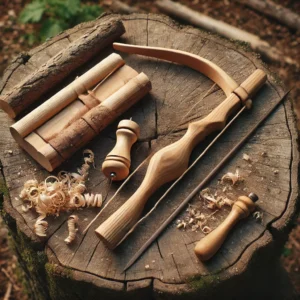
It sounds simple, but it demands practice. The type of wood matters. Softer woods like cedar or cottonwood can make it easier. If you’re struggling, try to ensure everything stays dry. Even a little moisture can defeat your efforts. While it’s the most primitive method, it’s also the purest form of fire-starting. Once you succeed, you’ll never look at a simple piece of wood the same way again.
Ferro Rod: Spark Show in a Stick
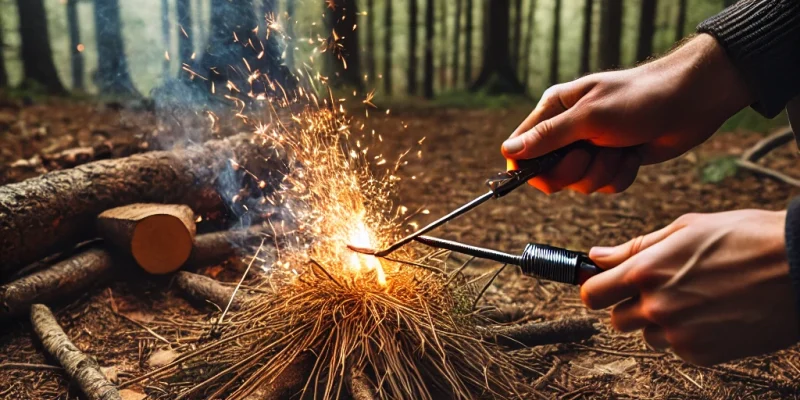
This tiny rod of ferrocerium may not look like much, but it produces blazing sparks when scraped with a hard edge. You can buy ferro rods for just a few dollars, and they’re nearly indestructible compared to lighters and matches. Many ferro rods come attached to a small striker, but you can also use the spine of a strong knife.
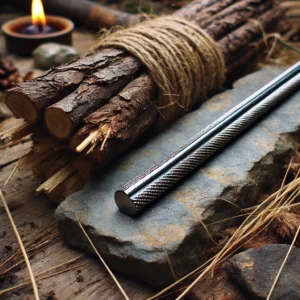
The trick is to angle your rod toward your tinder so the sparks land directly on it. Short, firm strokes create a shower of hot sparks, often enough to ignite dry grass or shredded bark. If your tinder is damp, you might need more patience or an extra-fine tinder bundle. Even then, the ferro rod stands out as a reliable go-to solution because it doesn’t rely on fuel and works well in cold or wet conditions.
Steel Wool and a Battery: Surprising Spark
Have you ever considered that a basic household item like steel wool could save the day? When you connect steel wool to the terminals of a battery (often a 9-volt works best), the tiny metal strands can heat up rapidly, creating an instant ember. It’s a bit like short-circuiting, but controlled. Make sure you have a tinder bundle ready to catch that ember.
This method might seem odd, but it’s quick and low-cost. Just keep your steel wool dry. The finer the wool, the faster it heats up. Be prepared, though: it burns through in seconds. That means you should have your tinder in place. Once you see a glow, gently blow on it and transfer the ember to your tinder. This technique doesn’t always cross people’s minds, but it’s incredibly effective in the right conditions.
Magnifying Lens: Let the Sun Do the Work
Maybe you’ve tried scorching ants as a kid by focusing sunlight through a magnifying glass. That same concept can help you start a life-saving fire. A simple lens from a magnifying glass or even clear plastic can concentrate the sun’s rays onto a small point of tinder. If your tinder is dry and the sun is bright, you can get a smoldering spot within seconds.
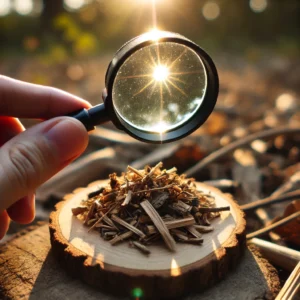
The main drawback is weather dependency. This only works well on sunny days when the sun’s high enough in the sky to provide strong rays. If you’re in a cloudy or rainy climate, you’ll need a backup plan. But keep this in mind for those times when the sun’s shining and you want to save your matches for emergencies after dark. It’s also cost-free once you have a simple lens.
Piston Lighter: Old-School Charm
A fire piston is an ingenious little device that uses compression to create heat. You place a piece of tinder like char cloth in the piston, then slam it into the chamber. The rapid compression of air generates intense heat and ignites the tinder almost instantly. Pull the piston out, and you’ll find a glowing ember at the tip. Transfer that ember to your main tinder bundle.
This method used to be more common in older times. It feels almost magical to see a spark burst into life from sheer air compression. Fire pistons can be purchased online or made at home if you’re handy with tools. While they might cost a bit more upfront, they’re durable and add variety to your fire-starting toolkit. Just remember to carry extra char cloth.
Char Cloth and a Simple Spark
Have you heard of char cloth? It’s basically small pieces of cloth heated in a low-oxygen environment until it turns black and carbonized. You can make it by placing cotton scraps (like from an old T-shirt) in a metal container with a tiny hole, then heating that container in fire or on a stove. The result catches even the smallest spark and burns slowly like a hot coal.
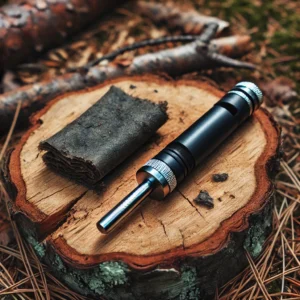
Once you have char cloth, a single spark from flint and steel or a ferro rod can ignite it. Because it smolders instead of bursting into flame, you’ll need to gently blow it into a tinder bundle. This step takes patience, but it offers a lot of control. It’s a beloved method for many outdoor enthusiasts because it’s cheap, reusable, and highly effective once you nail the technique.
Chemical Reactions: Potassium Permanganate Tricks
If you can spare a couple of bucks on chemicals, you might keep a tiny jar of potassium permanganate around. It’s often used for water purification. When combined with glycerin or certain sugars, it ignites in seconds. The reaction is dramatic, so be ready to place it near or onto a tinder pile. It’s not the kind of approach you use every day, but in a pinch, it can be a lifesaver.
Safety is key here. Store potassium permanganate in a sealed container, away from moisture. Keep glycerin in a separate container. Mixing them casually can lead to accidents. Also note that local regulations might control how you can buy or use these substances. Do your homework if you plan on using chemical methods, and always exercise caution.
Everyday Lighters and Matches: Don’t Dismiss the Basics
It’s easy to talk about advanced or unconventional methods and forget the simplest options. A lighter or a pack of matches remains one of the fastest ways to start a fire. Keep them in waterproof containers or zip-top bags. If you rely on a lighter, consider storing an extra can of butane for refills. If you go with matches, splurge on stormproof ones that resist wind and water. They’re only a little more expensive than regular matches.
Sometimes, practicality wins out. In a heavy rainstorm or freezing conditions, you may not have the energy or time to fuss with elaborate setups. A good old-fashioned lighter could save you from hypothermia or help you boil water quickly. Think of matches and lighters as your first line of defense, with the other methods serving as backups when everything else fails.
Finding the right tinder
No matter what fire-starting method you choose, it’s worthless without proper tinder. Tinder can be as simple as dryer lint, cotton balls smeared with petroleum jelly, or shavings of dry bark. Anything that catches quickly and burns hot is ideal. Store tinder in small plastic bags or sealed containers. If you’re in damp conditions, a pinch of sawdust or char cloth might make a world of difference.
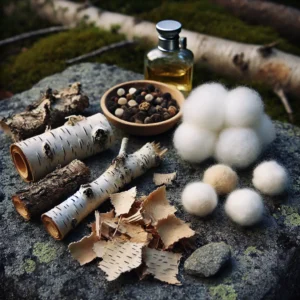
Practice with different tinders at home or on small camping trips. That way, when you’re stuck in an emergency, you’ll know exactly how they behave. You’ll also gain confidence, which is crucial when you’re cold, wet, and stressed. The more comfortable you are with your tinder and fire-starting tools, the faster you’ll get flames going in tricky situations.
Choosing your backup method
Think about your environment. Do you live where it’s sunny most of the year? A magnifying lens might serve you well. Are you expecting rainy winters? Waterproof matches and a ferro rod will be your best friends. Maybe you like the idea of a chemical approach for extreme circumstances. Whichever route you take, have more than one tool in your kit.
Related: The Best Bartering Items for Post-Crisis Trading
Your ultimate goal is self-reliance. Having multiple options means you’ll adapt to whatever challenge you face. Fire can warm you, cook your food, purify your water, and even lift your spirits when the world feels unstable. It’s not just a survival gimmick. It’s a life skill that anchors you to centuries of human history, reminding you of how resourceful people can be.
Conclusion
Fire is elemental, and mastering different ways to start it puts you ahead in any emergency or outdoor adventure. You can rely on a trusty lighter and matches, or explore more traditional options like a bow drill or a fire piston. Even chemical reactions or steel wool with a battery have a place in your preparedness plan. The key is to practice until you feel comfortable and confident. That way, when conditions are less than perfect, you won’t lose precious minutes fumbling around.
Think of it as building a small library of fire-starting methods. Each has its strengths, weaknesses, and quirks. By learning several, you’re no longer pinned down by a single point of failure. That’s the essence of being ready for whatever life throws at you. So gather your tinder, pick up a ferro rod or some stormproof matches, and give one of these methods a try. Because you never know when that spark will become your lifeline.