



What would you do if you needed crucial survival gear but found it way out of your budget? Preparing for emergencies shouldn’t force you to empty your bank account. Many high-end prepping products have budget-friendly counterparts that deliver similar results when used correctly. If you’re looking to save money without compromising on safety and efficiency, consider these five affordable alternatives to common pricey prepper supplies.
1. Contractor-Grade Trash Bags Instead of Costly Tarps
When you imagine emergency shelter, you might picture large tarps with reinforced grommets. Those can be great, but they often come with a hefty price tag. Contractor-grade trash bags can serve nearly the same function in many scenarios. These thick, durable bags are large enough to cover your gear or create a makeshift shelter in a pinch. If you cut them along the seams, they become a single large sheet.

You can also use these trash bags as ground covers, ponchos, or even insulation layers. In wet climates, keeping dry is half the battle. A stack of heavy-duty bags usually costs far less than a single premium tarp, and it takes up minimal space in your pack. Plus, if one bag tears, you have plenty of backups on hand.
2. DIY Water Filters Instead of Specialized Filtration Systems
Safe water is at the top of everyone’s emergency checklist. High-end filtration systems promise clean drinking water no matter the source, but they can be expensive. A simpler method involves creating your own filter using common materials like activated charcoal, sand, and gravel. Layer these in a sturdy container with holes punched at the bottom or use an empty two-liter bottle.
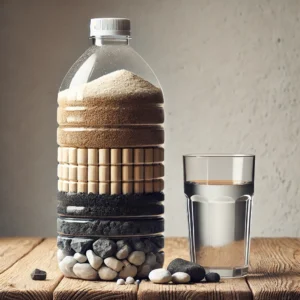
Of course, boiling or chemically treating water afterward adds an extra layer of safety. Even a few drops of household bleach per gallon can go a long way toward neutralizing harmful organisms. This DIY approach won’t match the flow rate of a fancy water filter, and it may require some trial and error. Still, it’s a proven strategy that costs a fraction of specialized gear.
3. Reusable Hand Warmers and Wool Socks Instead of Expensive Cold-Weather Gear
Surviving cold weather often calls for advanced insulated clothing. But those cutting-edge jackets and sleeping bags can wipe out your budget fast. Instead, focus on practical layers and targeted warmth. Wool socks are a game-changer. They insulate even when wet and last a long time if cared for. A single pair of thick wool socks might keep your feet warmer than cheap synthetic boots ever could.

Reusable hand warmers, which you can recharge by boiling in water, also offer continuous heat for minimal cost. Hand warmers and wool socks won’t replace a top-of-the-line parka in extreme climates, but they do keep you warm enough during less severe conditions. Layer up wisely, and you’ll stay cozy without breaking the bank.
4. Store-Brand First-Aid Supplies Instead of Premium Kits
Many survival stores sell impressive first-aid kits with fancy packaging and an extensive list of supplies. While these kits can be convenient, you often pay extra for the brand name. A more affordable option is assembling your own kit using store-brand products. Look for antiseptic wipes, bandages, gauze, and over-the-counter medications at discount pharmacies or dollar stores.
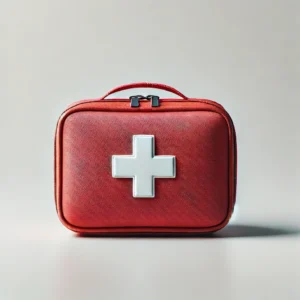
Read the active ingredients carefully to ensure you’re getting the same quality as name-brand items. If you’re uncertain about any medical treatments, consider a short first-aid course for practical knowledge. Building your own kit might take a bit of time, but it lets you customize your supplies and can save you significant money in the long run.
5. Battery Banks Instead of Premium Solar Chargers
Solar chargers promise renewable energy for your devices when the power goes out. But top-tier models can get pricey, and lower-cost versions may not generate enough power in weak sunlight. Battery banks (power banks) present a simpler and often cheaper solution—especially if you can charge them fully before an emergency.
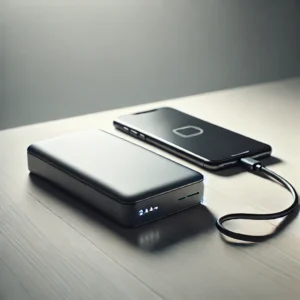
Most battery banks can hold enough power to recharge a phone or small electronic devices multiple times. If the lights go out for a few days, you’ll appreciate having a portable battery backup to keep your phone or flashlight working. Look for sales or discounts and consider purchasing more than one if you rely heavily on electronics. A couple of mid-range battery banks may still cost less than one high-end solar kit.
Practical Tips for Maximizing Value
Focus on Multi-Use Items: Every item you carry should serve more than one purpose. A simple piece of plastic can become rain gear, ground cover, or a water container if you plan well.
Test Your Gear: Don’t wait until an actual emergency to learn how your budget-friendly alternatives work. Test them on camping trips or during small weekend drills. You’ll gain confidence and identify potential weak points before real trouble strikes.
Keep Learning and Adapting: Stay informed about new ways to repurpose everyday materials. The more skills you develop, the less you’ll need to rely on brand-name prepper gear. Simple DIY hacks can compete with expensive products when applied with know-how.
Conclusion
Prepping on a tight budget isn’t impossible. By swapping out expensive gear for more affordable alternatives, you can build a reliable emergency kit that stands up to real-world challenges. It’s all about creativity, common sense, and the willingness to see how standard items can become lifesaving tools. Whether you’re new to prepping or looking to expand your stockpile without overspending, consider giving these low-cost substitutes a try. You might be surprised at how effective and durable they can be. With a little effort and planning, you’ll stay prepared for whatever comes your way.