


Imagine waking up one day to find that your usual sources of food, tools, and medicine are no longer reliable. Banks and digital payment systems might be offline, and regular money has lost its buying power. That scenario can feel unsettling, but it’s exactly why many preparedness-minded folks think ahead about bartering. In the wake of a crisis, trading items can fill the gap when cash or digital payments no longer do the job.
You might be asking if bartering is really that important. Perhaps you’ve never seen your neighborhood resort to trade. Yet history shows us that when everyday life is disrupted, people often revert to simple exchanges. During economic collapses, wars, or natural disasters, barter systems spring up wherever individuals have goods and skills to offer. It’s practical, immediate, and requires no electronic infrastructure. If you have what someone else needs, and they have something you need, a fair trade can build trust and help both parties survive.
Some items work better than others for bartering. They’re easy to store, in high demand, and hold value even when many supplies run short. You also want items people truly need rather than luxury goods. It’s helpful to think about this in two categories: necessities for survival and commodities that make life more comfortable. Survival items might include food and clean water. Comfort or convenience items could be things like coffee or hygiene products. Both carry worth, because no one wants to focus on survival alone when a bit of normalcy is within reach.
Basic Foods as Currency
A few staple foods often skyrocket in value when supermarkets run low. Dried beans, rice, and other long-lasting grains fit this category. Not only are they shelf-stable, they also form a filling meal if you pair them with something else. If you have an abundant stock of rice, for example, you might use a small portion to trade for a tool or a service you need. Many folks would swap fairly for something that satisfies hunger. The best part is that these grains can remain viable for years if stored properly in sealed containers.
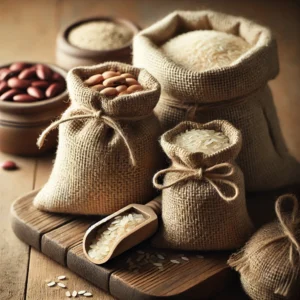
Another valuable choice is salt. It’s cheap, doesn’t expire, and no one can live without some form of seasoning. Historically, salt was so important that entire economies revolved around its trade. People use it for curing meat, preserving food, and flavoring meals. It doesn’t require refrigeration, so it’s perfect for those times when electricity might be unreliable. You could keep a couple of pounds of salt in small bags to trade in manageable quantities.
Medications and First Aid Supplies
When pharmacies shut down or run out of stock, everyday health needs can become a source of real worry. Over-the-counter pain relievers, bandages, antibacterial ointments, and allergy medications gain enormous value in a crisis. Individuals who never thought about bartering before will happily exchange useful items for something that helps them treat pain or prevent infection.
If you decide to store meds for trade, consider how you’ll keep them safe. Heat and moisture can degrade certain products. Make sure you respect expiration dates. There’s also a fine line between stocking enough to help others and hoarding more than you could ever need. For instance, a few extra tubes of antibiotic cream and a few sealed bottles of pain reliever can go a long way. When trade is happening, smaller, sealed packages often command more trust, because they appear unused and therefore more reliable.
Batteries and Other Power Sources
Imagine a power outage that extends for weeks. Flashlights and battery-powered lanterns could become your main source of light. That’s why batteries, especially common sizes like AA or AAA, often become high-value trade goods. If you have a solar charger or a small generator, that resource can be even more in demand. People might line up to trade for the ability to recharge their phones or other devices, even if cell service is spotty.
If you plan to stock batteries for barter, keep them in a cool, dry spot. Rotate your supply so they don’t drain before you get a chance to use or trade them. Reusable energy items, like small solar panels, hold even greater value because they provide ongoing power rather than a one-time use. You might initially invest more in a solar charger or battery bank, but in a crisis scenario, that investment could open up countless barter opportunities.
Hygiene Essentials
Soap, toothpaste, shampoo, and toilet paper might feel like everyday afterthoughts, but they become hot trade items when people can’t find them. Good hygiene prevents the spread of disease, which is crucial in any post-crisis environment. Even something as ordinary as hand sanitizer can become scarce. Think of those periods when stores run out of sanitizing products. That can happen tenfold during a large-scale disaster. Having a small surplus of these basics allows you to barter for fuel, tools, or food.
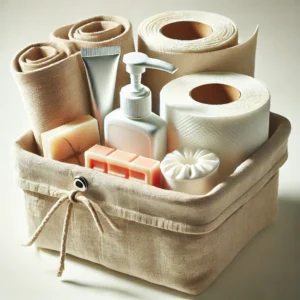
You don’t have to clear out your local store to gather these items. Grabbing an extra pack of soap bars or an additional tube of toothpaste each time you shop can gradually build a bartering reserve. These things last a long time if kept dry and protected from heat. Even if you never need them for trade, you’ll use them eventually.
Seeds and Garden Supplies
Long-term crises often reveal how much we depend on supply chains for fresh food. Seeds become precious when people want to grow their own produce. Basic vegetables like tomatoes, beans, and peppers can thrive in many climates. Storing a variety of seeds in airtight containers can ensure that you have a trade item people truly want, especially if the crisis drags on and fresh produce becomes scarce.
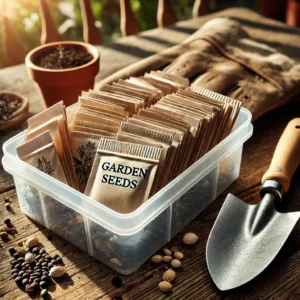
Garden tools, too, can command attention. Even simple hand tools like spades or gardening gloves can become prized possessions for those looking to cultivate a backyard plot. If you’re planning for trade, consider small seed packets with user-friendly vegetables. Heirloom seeds, which can be saved from year to year, might offer extra appeal. People often prefer them if they think the crisis will extend over multiple growing seasons.
Alcohol and Tobacco
Some items don’t contribute directly to survival but can offer psychological relief. Alcohol and tobacco products fall into that category. Many people see them as luxuries, yet in hard times they gain high trade value. You’ll find plenty of historical examples where cigarettes or a bottle of spirits became more valuable than a handful of cash. That doesn’t mean you need to invest in entire barrels. A few small bottles or a modest supply of rolling tobacco might be enough to trade for essentials when money loses its value.
Yet this is a moral gray area for some. Not everyone wants to deal with alcohol or tobacco. It’s a personal choice, and it depends on your comfort level. From a purely tactical angle, they remain powerful bartering chips. Even if you don’t use these items personally, you could keep a small stock for potential trade. Make sure you store them properly, because tobacco can go stale and alcohol can lose quality if not sealed well.
Tools and Equipment
A functional hand tool can be a lifesaver in a post-crisis world. Items like multi-tools, pocketknives, or basic wrenches help people fix broken equipment or build temporary shelters. If you have spares, you can barter them for other essentials like food or medicine. Even simple things like nails and screws can become scarce, turning a handful of hardware into valuable currency.
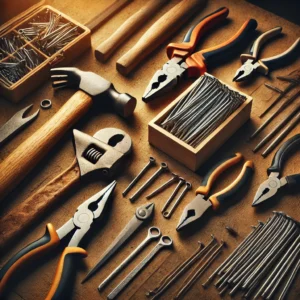
Durability matters in this category. A flimsy tool might break after a few uses, leaving you or your trade partner in a tight spot. Invest in items that can withstand rough conditions. You never know how much tension a single bolt might face in a makeshift fix, or how often a saw might be used to cut scrap wood for fuel. Storing a few brand-new tools in their original packaging can also inspire trust in potential trade partners who worry about hidden defects.
Skills as a Barter Resource
While most bartering discussions focus on physical goods, your skills can be just as powerful. If you know how to repair engines, purify water, or set broken bones, you have something people desperately need when official services fail. You might trade a few hours of repair work for a share of someone’s fresh produce or a supply of batteries.
Relatated: How to Build a Temporary Shelter in Under an Hour
This approach also helps you avoid storing massive amounts of goods. Skills take up no physical space and don’t expire. Even if your supply of trade items runs low, you can still barter your expertise. That said, it pays to stock at least some basic materials to perform your craft. If you’re a mechanic, having a reserve of small spare parts or specialized tools can make your skill set even more marketable. The same goes for medical knowledge: a well-stocked first-aid kit combined with real training can be invaluable.
Tips for Managing Your Barter Stock
If you decide to store items specifically for bartering, keep a separate section in your home or storage area. That way, you won’t accidentally dip into your trade goods for daily use. Label everything clearly, and note expiration dates if applicable. Maintaining a small inventory list helps you stay organized. You can track what you have and what you might need to add or rotate out.
Consider how you’ll split items into trade-friendly portions. Large sacks of rice might be efficient for storage, but smaller bags are easier to barter. The same idea applies to hygiene products. Single bars of soap or small toothpaste tubes are more convenient for trade than large bulk packages. Packaging items in smaller units can also reduce the risk of conflicts over how much a trade item is worth.
Stay aware of local demand. In one region, seeds might be more valuable because gardens thrive there. In another area, water purification tablets could be in high demand if local water sources are questionable. Try to gauge what people around you might need most in a crisis. That awareness can help you build a stock that’s practical and appealing, not just random.
Conclusion
Bartering may sound old-fashioned, but it becomes an immediate fallback when modern systems break down. Having the right items on hand—and in manageable portions—can open doors to vital supplies if a crisis shakes up your community. You don’t have to fill your house with things you’ll never use. Just choose wisely. Stock basic foods, gather small quantities of meds, store a few essential tools, and consider the comfort items that people crave when life feels uncertain.
The question isn’t whether a crisis might happen but whether you’ll have what you need to trade if it does. Even if you never swap a single item, you’ll be more self-sufficient and prepared by focusing on bartering staples. That peace of mind alone might be worth any extra effort. Think ahead, gather the essentials, and you’ll stand a better chance of weathering any disruption life throws your way.