

What would you do if someone threatened you and you couldn’t rely on fancy gadgets or concealed weapons? You might look around and see nothing but regular household items. Yet those items can be surprisingly effective for defense when used properly. You don’t need to be a martial arts expert or have an expensive arsenal. You just need to get creative with what’s already in your environment. From a sturdy flashlight to a plain set of keys, everyday objects can become powerful tools that keep you safe.
Many people hesitate to think about self-defense until it’s too late. The idea might feel intimidating or unnecessary. You may believe that crime or danger is rare in your neighborhood. But emergencies happen in all kinds of places. A simple walk home from work could turn risky if someone targets you for robbery. Being aware of how to use common items for your protection can make a real difference. It’s not about encouraging violence. It’s about preparing yourself to respond if you ever find your back against the wall.
There are legal and ethical considerations as well. Different regions have different laws about what counts as a weapon. It’s your responsibility to understand the regulations where you live. Using force should always be a last resort. However, in a genuine life-or-death situation, improvising with everyday objects may buy you enough time to escape and call for help. With that in mind, let’s explore a few ways you can look at normal possessions in a new light.
The Value of Solid Flashlights
Flashlights don’t just illuminate dark spaces. They can also work as an effective deterrent. A heavy-duty flashlight, especially one made of metal, can double as an impact tool. A quick strike to an attacker’s arm or leg might offer you a second or two to run. The bright beam itself can disorient someone if you shine it in their eyes. That short burst of confusion might be all you need to make a safe exit.
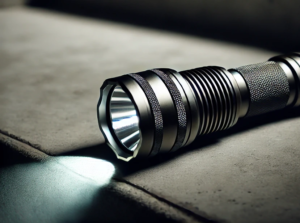
Picture holding a sturdy, compact flashlight in your hand as you walk through a dimly lit parking lot. If you sense someone following you, shining the beam at them could send a clear message that you’re aware of their presence. You’re not a passive target. If they still come closer, you have a solid object ready to defend yourself. It’s worth spending a few extra dollars on a durable flashlight that can withstand impact. Even if you never need it for self-defense, you’ll appreciate its reliability in a power outage.
Keys in Your Grip
Almost everyone carries keys, so they’re one of the easiest objects to repurpose for defense. One approach is to hold your keys with a firm grip, letting a single key stick out from your fist. This isn’t about slashing wildly at an attacker, which could injure your own hand. Instead, think of a quick jab as a surprise move. A well-placed strike could create a pause in the attack, giving you the chance to run or call for help.
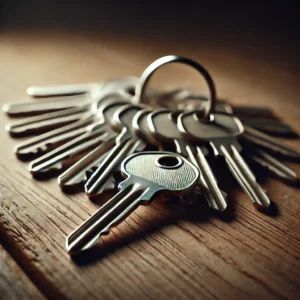
It’s important to practice how you’d hold keys without hurting your own palm. Imagine a simple stance where your key’s tip pokes out enough to create distance but not so far that it snaps off on impact. That kind of detail might seem nitpicky, but in a stressful situation, small things can make a big difference. Also remember that keys can make noise if you rattle them, which might alert people nearby that something’s wrong. A little bit of advanced thought about how to carry them more quietly can still preserve the element of surprise if you need it.
Pens and Markers for Close Quarters
A sturdy pen or marker can act like a makeshift kubotan if you have to protect yourself up close. You’re not aiming to cause severe harm. You just want to create a moment of pain or distraction that gives you an opening to escape. Target sensitive areas like the back of a hand or the soft tissue above the collarbone. A strong pen that won’t bend too easily can be incredibly effective. It’s also less likely to raise suspicion in places where you can’t carry anything sharper.
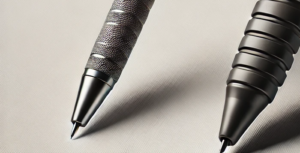
Many people underestimate how firmly you can grip a pen or marker. You might experiment with a few sturdy brands at home. Some tactical pens are marketed for self-defense, but a simple metal-barreled pen can do the job if needed. Keep it accessible so you’re not digging through your bag if trouble arises. That quick draw is what matters most in a sudden confrontation.
Household Sprays and Liquids
Think about items like hairspray, pepper spray (if it’s legal in your area), or even cleaning products. Spraying something into an attacker’s face can create a momentary barrier. Although store-bought pepper spray is specifically designed for self-defense, other household aerosols might deliver a burst of chemicals that irritate the eyes and respiratory system. This is a last-ditch measure, and it’s important to remember that you could also affect yourself if the wind blows the spray back.
Another angle is boiling water if you find yourself cornered at home. Pouring extremely hot water near someone might sound extreme, but in a life-threatening scenario, it could be a decisive move that forces them to back off. These tactics aren’t about becoming aggressive. They’re about using what’s handy in an emergency when every second counts.
Kitchenware as Improvised Tools
A skillet is more than something you use to cook eggs. In a desperate moment, it can serve as a shield or a blunt object to ward off an intruder. Pots, pans, and even rolling pins have enough weight to deter someone who isn’t expecting you to fight back. Knives are the obvious choice for many people, but using a knife effectively under stress takes more skill than most realize. A quick swing of a frying pan might be safer for you while still delivering a strong message.
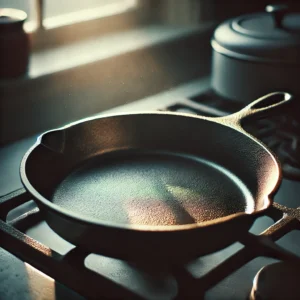
Even a heavy ceramic plate or a glass bowl can create a shock factor if thrown or used to block a strike. The clatter or shatter could also draw attention, potentially summoning neighbors or bystanders. Of course, brandishing kitchenware may raise concerns about property damage, but that’s a secondary worry compared to personal safety. One or two well-timed swings could buy critical seconds to escape.
Chairs, Umbrellas, and Other Distance Creators
Sometimes you need to keep an attacker at arm’s length. Long objects like chairs, brooms, or umbrellas can help with that. They work a bit like a staff, letting you push someone away without getting too close. Think of it as creating a buffer zone. If an attacker has to reach past that barrier, they might hesitate or lose momentum.
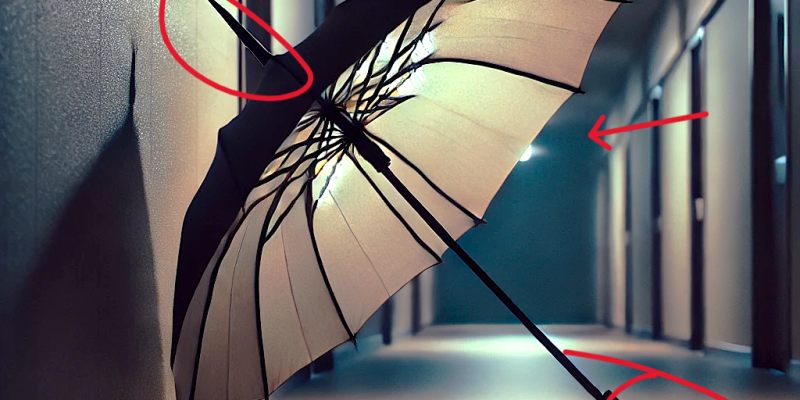
An umbrella in particular can blend in anywhere. Holding it in front of you with both hands sends a clear signal that you’re not easy prey. You might jab or swing in a wide arc to keep them off balance. Even if you lose your grip, the sudden movement could startle them enough for you to run. That possibility alone can make everyday errands or commutes a bit less nerve-wracking.
Mindset Matters More Than Tools
Having an everyday object in your hand won’t guarantee success if you freeze or panic. Mental preparation is vital. You need to decide in advance that you’ll fight back if your life is in danger. That resolve can shine through in your body language, which might discourage an attacker from even trying. Practicing a firm, confident stance and speaking loudly can sometimes turn a would-be confrontation into a non-event.
Related: Top Tips for Staying Calm During a Crisis
If you do carry an item for self-defense, get comfortable with it. Learn how to grip it securely. Practice quick, controlled movements. Think through scenarios where you might have to use it. This mental exercise, while it may seem grim, can make all the difference in a split-second emergency. The more you rehearse in your mind, the more likely you are to act effectively when fear floods your system.
Staying Within Legal Boundaries
Each area has different laws about what constitutes a weapon. Even harmless-looking objects can attract unwanted attention if used improperly. Some places might view a key placed between your fingers as a hidden weapon, while others won’t care as long as you’re acting in self-defense. Research local regulations or talk to law enforcement if you’re unsure. Peace of mind comes from knowing you’re within the law while still keeping yourself safe.
Also think about the potential escalation factor. If someone is merely acting suspicious, waving a kitchen knife in their face might escalate the situation. Always use your judgment. Shouting or calling for help might solve the problem without physical force. As with any self-defense strategy, the first priority is to de-escalate and avoid danger when you can.
The Role of Resourcefulness
Using everyday objects for self-defense is less about turning yourself into an action movie star and more about problem-solving under pressure. It’s part of a broader mindset that values creativity and resourcefulness. You don’t always have the luxury of buying specialized gear or training extensively in martial arts. But you can train your eye to see possibilities in items you already own.
A rolled-up magazine, a belt buckle, a heavy handbag—these can all serve as shields or distractions if the alternative is doing nothing. The key is being willing to act. Many criminals target people who seem unprepared. Showing that you have some kind of plan, even a simple one, can shift the balance in your favor. And that’s a powerful advantage when seconds count.
Next time you walk through your house or office, look at the items around you through a different lens. Ask yourself how you might use them if you had no other choice. That simple mental shift can boost your confidence and heighten your awareness, which are two of the most effective defenses you can have.