

Imagine waking up to find your neighborhood completely without electricity. Maybe a storm rolled in overnight, leaving you with a silent kitchen and a fridge that’s slowly warming up. You still need to feed your family, but your fancy electric stove sits useless. In moments like this, having a backup plan can save more than just your dinner. It can keep morale high and show you that even without modern conveniences, there are plenty of ways to prepare a hot meal.
You might be asking how you could possibly cook without power, especially if you don’t own a generator or specialized camping gear. Fortunately, there are everyday items around your home or garage that can step in when the lights go out. You don’t need expensive equipment or complicated techniques. You just need an understanding of how to adapt your environment. Think of it as a return to basics. Our ancestors got by for centuries without electricity, and there’s no reason you can’t do the same in a pinch.
Some of these methods might seem too simple, but that’s the beauty of them. The goal is practicality. When you’re dealing with the stress of a power outage, the last thing you need is a steep learning curve. The approaches you’ll find here rely on items that most people already have. If you don’t, you can gather them at minimal cost so they’re ready to go when you need them most.
Why Cooking Without Power Matters
Cooking isn’t just about filling your stomach. It’s about keeping some sense of normalcy when everything else feels unstable. There’s a reason why a hot meal can lift spirits even when the rest of your routine is disrupted. A hearty bowl of soup or a freshly heated dish can make an emergency feel more manageable. The warmth soothes nerves, and the process of preparing food together often helps people feel less isolated.
There’s also the matter of preserving perishable ingredients. Without power, your fridge and freezer start to lose their cool. You want to use up meat, dairy, and other at-risk items before they spoil. Having a quick method to cook them can reduce waste and keep your family fed. Think of it as turning a potential loss into a practical resource. That’s at the heart of self-sufficiency: using what you have rather than letting it go to waste.
Conserving Fuel And Resources
Before you jump into any cooking method, consider your fuel supply. If you have a gas stove, you might still be able to light it manually with a match, as long as the gas line hasn’t been cut off. If your stove relies on electricity to ignite but the gas supply remains intact, carefully ignite it with a lighter or match. Check for ventilation, because safety comes first. Open windows or doors if needed to keep fresh air circulating.
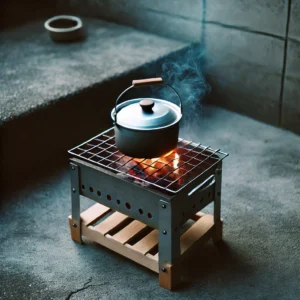
For those without gas, you might have a small charcoal grill in your yard. That can quickly become your best friend. Charcoal briquettes last a long time in storage. You can often find them on sale, making it an affordable backup plan. A bag or two in your garage can yield multiple hot meals, especially if you ration your cooking sessions. Always use your grill outdoors, even if it’s cold or rainy, because bringing a charcoal grill inside is dangerous.
Using A Simple Camping Stove
A lot of people have a little camping stove stashed away for weekend trips. Even a basic model that runs on small propane canisters can be a lifesaver when the power’s out. Make sure you store enough fuel canisters, because they don’t last forever. Each canister may provide a few hours of cooking, depending on how high you set the flame. Use a lighter or built-in igniter to start it up. Propane stoves are easy to control, and they often come with a stable platform for pots.
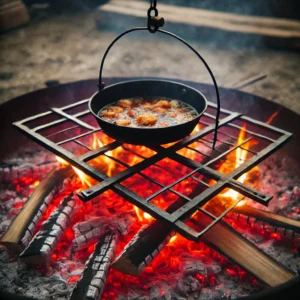
If you don’t own a camping stove yet, consider picking up an affordable one. It doesn’t need all the bells and whistles. You just want something reliable that can handle a range of temperatures from simmering to boiling. Look for a model with a strong base and a wind shield if possible. That helps conserve fuel, especially if you’re cooking outdoors on a windy day. With a bit of practice, you can prepare full meals just like you would on a regular stovetop.
Creating A DIY Rocket Stove
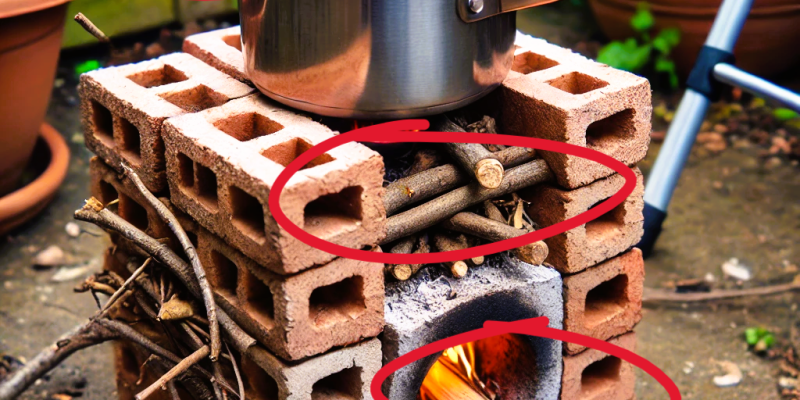
A rocket stove might sound complex, but it’s essentially a small, high-heat chamber that channels airflow efficiently. You can build one from materials like bricks, cinder blocks, or metal cans. The idea is to create a vertical chamber with an opening at the base where you feed in small sticks or kindling. The narrow design concentrates the fire’s heat in a single direction, making it surprisingly efficient.
You can place a pot or pan on top of the rocket stove’s opening. Because the heat is so directed, you won’t need a massive amount of firewood. Small branches, twigs, and even scraps of cardboard can keep it going. It’s ideal for boiling water, cooking simple meals, or frying up a quick dish. Plus, the design is portable enough to move around your yard if you don’t want the smoke near your house. If you’re willing to experiment, you can assemble a makeshift rocket stove in under an hour, which can be a real bonus in a sudden outage.
Using Your Vehicle’s Heat
This might sound like a stretch, but your car or truck can generate a surprising amount of heat from the engine. It’s not the safest or most efficient method, so consider it a last resort. The idea is to place a small metal container on the engine block once it’s warm, allowing the vehicle’s heat to warm or reheat food slowly. You’re not going to prepare a gourmet meal this way, but it may help heat up something precooked.
There are also 12-volt appliances designed to plug into your vehicle’s cigarette lighter, such as small stoves or kettles. They’re slow but can be useful for warming soup or making coffee. Keep your engine running while using them, so you don’t drain the battery. Make sure you’re parked in a well-ventilated space if you need the engine on for extended periods. This technique is far from ideal, but in a pinch, it’s another tool in your resourcefulness toolkit.
Repurposing A Fireplace Or Wood Stove
If you’re lucky enough to have a wood stove or a traditional fireplace, you already own a reliable heat source. Think of how pioneers used open hearths for cooking. Your fireplace may not be designed specifically for it, but you can adapt. Cast-iron cookware, like skillets or Dutch ovens, is ideal because it tolerates direct heat well. If your hearth has a grill or adjustable hooks, even better. Place your pot or pan on stable metal supports and stir often to avoid scorching.
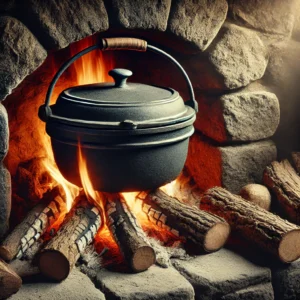
Gather small chunks of wood rather than large logs to maintain a moderate flame. You don’t want to overheat your cooking area or risk an uncontrollable blaze. Focus on recipes that only require a single pot or pan. Soups and stews are classics for this reason. You toss in meat, vegetables, a bit of liquid, and let it simmer. Just remember that timing might differ from what you’re used to on an electric stove. Check the dish regularly and add liquid as needed.
Thinking About Cold Meals And Minimal Prep
Sometimes the best solution is to skip cooking altogether. You might have canned foods that are edible straight out of the can. Crackers, granola bars, dried fruit, peanut butter, and other shelf-stable items can keep you going without any heat. While these aren’t always the tastiest options, they work well for short power outages or when you don’t have time to set up a cooking station. Adding some variety, like mixing canned beans with salsa or creating a simple cold pasta salad, can make these meals more appealing.
One advantage of focusing on no-cook foods is that you preserve whatever fuel or firewood you do have. If you know the outage might last several days, rationing your cooking sessions can stretch limited resources. Plan which items absolutely need heat, like cooking raw meat before it spoils, and which ones you can eat cold or raw.
Staying Safe While Cooking In A Blackout
Any time you introduce fire or alternate heat sources indoors, you face potential hazards. Keep a fire extinguisher handy, especially if you’re working with open flames. Check that you have proper ventilation if you’re using a stove or lighting a grill in a partially enclosed space. Carbon monoxide poisoning is a real risk. Crack a window or door, or even better, move your cooking station entirely outdoors if it’s safe to do so.
Pay attention to kids or pets. A curious cat can knock over a grill, or a child might wander too close to a hot surface. Create a clear zone around your cooking area. Also be mindful of your water supply. In some outages, water pumps may fail, so you want to conserve water for drinking and basic hygiene. Don’t sacrifice clean water just to wash a ton of dishes after an elaborate meal.
Improvising Utensils And Cookware
If you lack enough pots or pans, look around for metal containers you can repurpose. A coffee can might become a makeshift pot for soup or water. Foil can wrap food to cook over coals, though keep it away from direct flame to avoid burning. Stainless steel mixing bowls can double as covers or even double-boilers if placed carefully near heat.
It’s all about seeing objects in a new light. Aluminum foil, for example, can form a shallow tray for grilling veggies on a charcoal fire. A tin pie pan can hold biscuits or cornbread batter if you have a way to elevate it over heat. The simpler the dish, the fewer utensils you’ll need. Once you start thinking creatively, you’ll discover multiple ways to adapt your surroundings for cooking.