


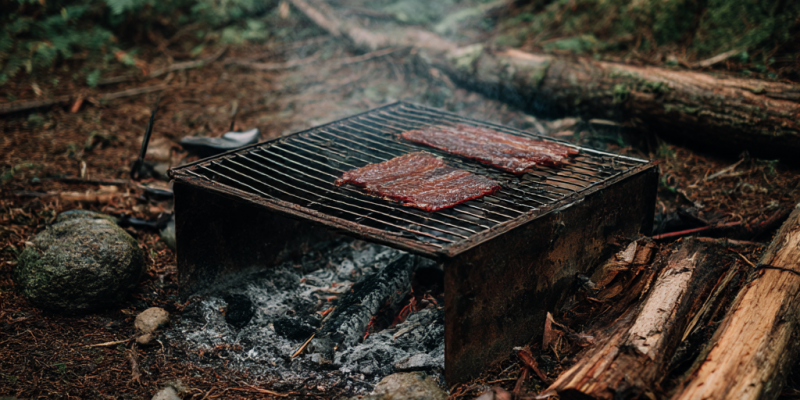
When things go south—whether it’s a grid-down event, supply chain collapse, or a long-term bugout situation—protein becomes more than just a nutrient. It’s a lifeline. Without enough protein, your body breaks down muscle, your strength fades, and your ability to handle stress and physical labor drops fast. So the question is: in a survival scenario, where are you going to find it, and just as important, how are you going to store it?
You don’t need a massive budget or a prepper bunker to get started. With a bit of knowledge, some creativity, and a willingness to go beyond the usual canned goods, you can build a high-protein plan that keeps you going strong, no matter how long the crisis lasts.
Know Where to Look First
You don’t have to be a trained hunter or own a stocked ranch to find protein in the wild. Protein is everywhere if you know how to spot it. You just have to change the way you think about food.
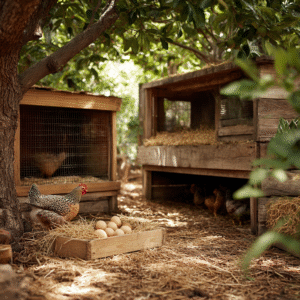
Let’s start close to home. Eggs are one of the most efficient sources of protein you can get. If you’re keeping backyard chickens—or even just a few quail—you’ve got yourself a renewable source of high-quality protein. Even in tight quarters, quail can thrive, and their eggs pack serious nutritional value.
Don’t overlook your own pantry either. Beans, lentils, split peas, and chickpeas are protein powerhouses. Sure, they’re plant-based, but paired with rice or corn, they form complete proteins. Plus, they’re dirt cheap, shelf-stable, and easy to rotate.
In a wilderness setting, look for insects. Yes, it might sound off-putting, but roasted crickets, mealworms, and even grasshoppers provide solid protein. Native cultures have relied on them for centuries, and in a pinch, they’re better than starving. Wild game like rabbits, squirrels, and fish also offer steady returns with basic traps or a fishing line.
Protein You Can Preserve Without a Fridge
Refrigeration can’t be your fallback in a grid-down world. So what do you do? You learn how to preserve.
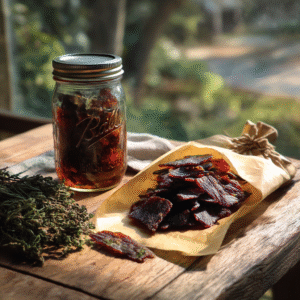
Start with jerky. Whether it’s venison, beef, or fish, jerky’s been a prepper favorite for a reason. It stores for months if made and kept properly. All you need is thin-sliced meat, salt, a little seasoning, and low heat. A dehydrator helps, but even your car dashboard on a sunny day or a wood stove can get the job done if you’re paying attention.
Canning is another overlooked solution. Pressure canning meats—like chicken, pork, or stew—can keep it safe and ready for years. It requires a bit of upfront investment and know-how, but the return is huge. Imagine cracking open a jar of hearty protein after six months off-grid. That’s peace of mind in a glass jar.
For the ultra-resourceful, consider pemmican. Made from rendered fat, dried meat, and sometimes dried berries, this ancient food from Native tribes was made to last. It’s calorie-dense, high in protein, and completely shelf stable. You can make it in your kitchen today and stash it away for the long haul.
Backyard Protein on a Budget
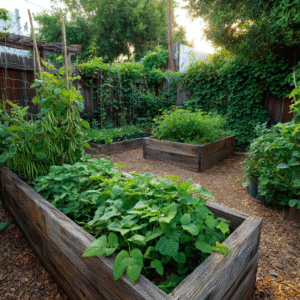
Protein doesn’t have to mean meat. If you’ve got a patch of dirt or even some containers, you can grow high-protein plants. Beans, peas, and soybeans are excellent choices. They fix nitrogen into your soil and feed your family. Amaranth and quinoa are two crops with both protein and versatility—think grain and green all in one.
Sprouting seeds like mung beans or alfalfa in jars can yield high-protein greens in just a few days, no soil required. It’s cheap, simple, and doesn’t rely on sunlight or good weather. During a crisis, that kind of fast-turnaround food source can make a big difference.
Raising rabbits is another smart move. They breed quickly, require minimal space, and their meat is high in protein and easy to process. They’re quiet, too, which matters when discretion is key. Plus, their droppings are garden gold, boosting your soil fertility while you stay fed.
Wild Protein: What’s in Your Backyard
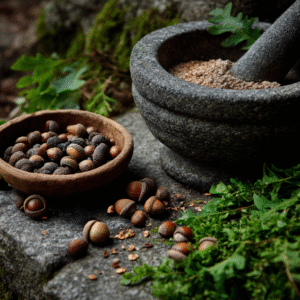
You don’t need to live in the deep woods to forage protein. Acorns, for example, are high in fats and moderate in protein. Leach the tannins out, grind them into flour, and use them to supplement other meals. Nettles, dandelion greens, and wild mustard aren’t just edible—they carry trace protein and vitamins, too.
For those willing to go a little further, crayfish, frogs, and mussels in nearby streams can all be caught with minimal gear. Even urban dwellers often live near water sources that host fishable or trappable creatures. Keep a collapsible fishing rod, some basic line and hooks, or a small net in your emergency kit—you’ll thank yourself later.
Storage Methods That Don’t Rely on Modern Systems
When storing protein long-term, moisture and air are the enemies. Oxygen absorbers and Mylar bags are your friends. Vacuum sealing dried beans, lentils, or jerky can extend their life by years. If you’ve got access to desiccants or even basic salt and sugar, you can cure or brine meat for longer storage without refrigeration.
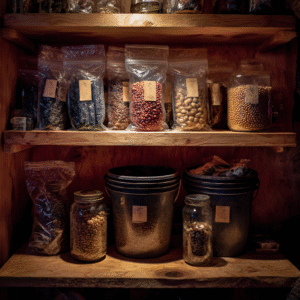
Buckets lined with Mylar bags can store dry goods like lentils or powdered eggs safely for years. Add a scoop of rice or bay leaves to keep bugs away. For animal products like freeze-dried meats or powdered whey, invest in quality packaging with oxygen barriers and low humidity storage.
Don’t forget fats. They’re crucial for energy and help your body absorb protein properly. Store coconut oil, ghee, or lard in dark, cool places to maximize shelf life. Without fat, protein won’t give you all it could in terms of calories and nutrition.
Related: Cooking Without Power Using Everyday Items
Train Now, Thrive Later
Here’s the thing: you don’t want to figure this out in the middle of a crisis. Practice making jerky, pressure canning meat, or fishing with improvised gear before you need to. Try a weekend where you only eat protein you’ve stored, raised, foraged, or caught. You’ll quickly learn what gaps to fill.
Preparedness isn’t about paranoia. It’s about peace of mind. When you know how to keep yourself and your loved ones fed—even when the stores are closed, the lights are out, and the world’s gone sideways—you’re not just surviving. You’re leading.
Next time you’re reviewing your food storage, don’t just count calories. Count your protein sources. Because when times get tough, strong bodies and sharp minds will be the first line of defense—and protein builds both.