



Imagine this: you’re stranded without access to a pharmacy, your first-aid kit is down to its last bandage, and you’re relying solely on your surroundings to stay alive. What now? That’s where everyday plants—yes, the kind growing in your yard or along your hiking trail—can step in and save the day.
When modern systems break down, knowing how to identify and use the plants around you can give you a serious survival edge. Whether you’re treating a wound, calming a fever, or just getting enough calories to push through the day, nature has answers—if you know where to look.
Here are six everyday plants that could be literal lifesavers in a crisis.
Dandelion – More Than a Lawn Weed
You’ve probably yanked dandelions from your yard by the dozens, but that “weed” is actually packed with nutrition. The leaves, roots, and flowers are all edible and useful.
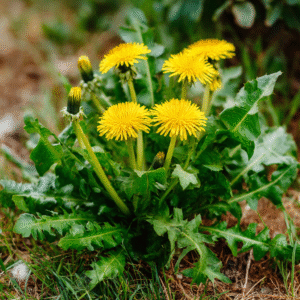
Dandelion greens are rich in vitamins A, C, and K, and they support liver function. Eat them raw, sauté them, or brew the roots into a bitter tea that can act as a gentle diuretic or digestive aid. The flower heads can even be used to make salves or soothing oils.
In a long-term survival situation, dandelions offer both food and basic medicine—two things you’ll always need.
Plantain – The Wound Healer
No, not the banana-like fruit. We’re talking about the common broadleaf plantain that grows in sidewalks, driveways, and fields across the U.S. It’s a first-aid superstar.
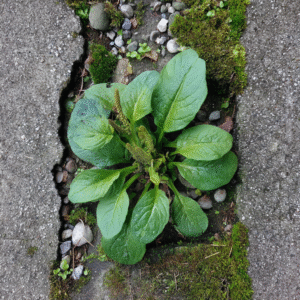
Crush the leaves and apply them directly to cuts, stings, burns, or bites. Plantain draws out toxins, reduces inflammation, and helps stop bleeding. It’s also edible, though the older leaves are tough—best boiled to soften them up.
You can create a simple poultice by chewing a leaf and placing it on a wound, or drying them to stash in your emergency medical kit. In the wild, this plant is a built-in Band-Aid.
Yarrow – Nature’s Coagulant
If you’ve ever worried about bleeding out during a crisis, yarrow is a plant you want in your corner. It grows in open fields and roadsides and is easily identified by its feathery leaves and flat-topped clusters of white flowers.
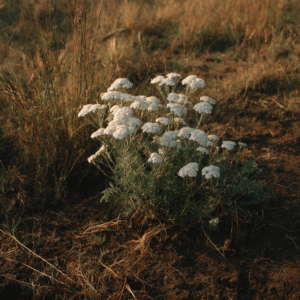
Crush the leaves and apply them directly to wounds to help blood clot and fight infection. Yarrow can also be made into a tea for fever reduction or stomach discomfort. During the Civil War, soldiers used it in the field to pack wounds—earning it the nickname “soldier’s woundwort.”
Learn to recognize this one. In a grid-down scenario with no ER in sight, yarrow could mean the difference between life and death.
Stinging Nettle – The Nutrient Powerhouse
Don’t let the sting fool you. Nettles are one of the most nutrient-dense wild edibles out there. High in iron, calcium, and protein, this plant can keep your energy up when calories are scarce.
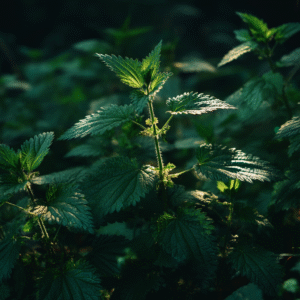
Once cooked or dried, the sting disappears and you’re left with a versatile green that can be added to soups, teas, or stews. Nettle tea is also known for helping with allergies, inflammation, and even arthritis.
Harvest it with gloves and boil or dehydrate before consuming. It’s a prime example of a “problem” plant turning into a survival resource.
Pine – A Tree with a Toolkit
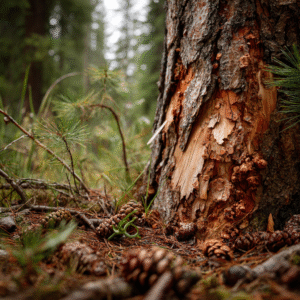
If you’re in a northern climate, pine trees are more than just background scenery. Their inner bark (called cambium) is edible and packed with calories. You can strip it, dry it, and grind it into flour or boil it as a broth.
Pine needles, especially from white pine, make a high-vitamin C tea that boosts the immune system. This is critical in winter survival when scurvy can creep in without warning.
Pine sap also works as a wound sealant and antiseptic. Just apply it to small cuts or scrapes to form a natural barrier against infection. That’s a lot of utility from a tree you probably walk past every day.
Cattail – The Survival Grocery Store
You’ll find cattails in wetland areas, and every part of the plant is useful. The young shoots are edible raw or cooked. The roots are starchy and can be processed into flour. Even the pollen can be harvested as a protein-rich supplement.
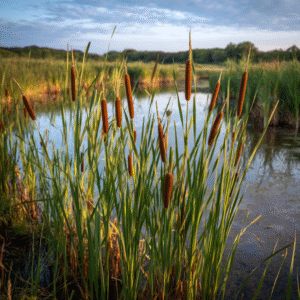
In spring, the green flower spikes can be boiled like corn. The downy tops make excellent tinder or insulation. And the long leaves? Weave them into cordage or thatch for shelter.
It’s not an exaggeration to say cattails are one of the most valuable wild plants out there. If you’re near water, you’re near a food and resource hub.
Conclusion
You don’t need to memorize every plant in the forest. Start with these six. They’re common, powerful, and easy to identify with a bit of practice. And they don’t just offer theoretical value—these plants have been used by generations before us to survive and thrive.
Related: How to Find and Store Protein in a Survival Scenario
Nature has always been a provider, and it still is—if you know how to listen. These six plants might be hiding in plain sight, but with the right knowledge, they can become essential tools in your survival plan.
Don’t wait for disaster to strike before you start paying attention to what’s growing under your feet. Learn now. Practice now. And next time you pass a so-called “weed,” ask yourself: could this plant save my life?