


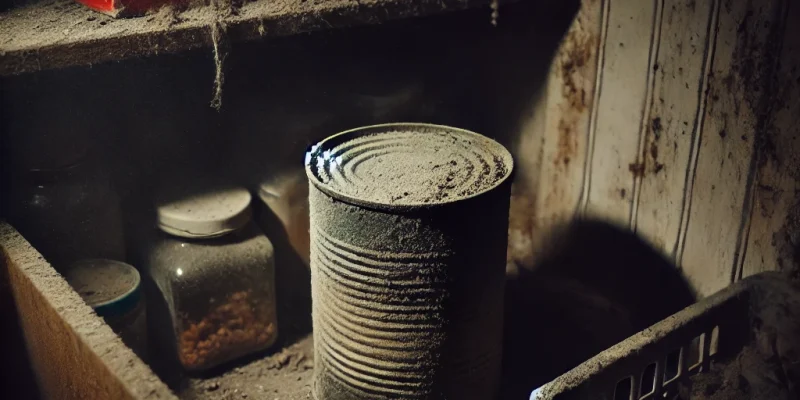
Have you ever opened a forgotten corner of your pantry and found items you don’t even remember buying? Maybe it’s a bag of flour from two summers ago, or a dusty jar of peanut butter lurking behind the cereal. It’s natural to stock up on everyday products, especially if you’re trying to prepare for emergencies, save money, or avoid frequent trips to the store. Yet not all items hold up the same way over the long haul. Some stay fresh for years, while others lose quality fast or even become unsafe.
You might be asking whether it’s really worth storing common products for the long term. The answer depends on what you buy, how you store it, and how honest you are with yourself about your usage habits. Storing items you rarely consume can be a waste. On the other hand, if you rely on certain staples and have a proper system, long-term storage can save you money and stress.
When you’re thinking about emergencies, it’s tempting to fill every spare inch of space with canned goods and dry ingredients. That’s a good start, but it only works if you choose the right items and rotate them regularly. You want to avoid the disappointment of discovering mold, rancidity, or total flavor loss when you finally crack open that package you’ve been saving.
Understanding Shelf Life
Shelf life sounds technical, but it boils down to how long a product keeps its quality. Some items remain usable for an impressive stretch. Honey is famously stable because it’s so high in sugar and low in moisture. It can crystallize, but that doesn’t mean it’s gone bad. White sugar is another champion if kept dry. A sealed bag can last for years without clumping or spoiling, though it might harden if it absorbs moisture.
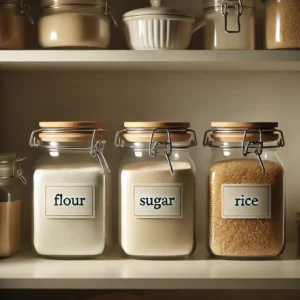
Other staples aren’t so lucky. Whole-grain flour can go rancid relatively quickly due to its higher oil content. Dried fruit eventually turns leathery and loses flavor. Canned soups keep for a decent window of time, but the taste and texture can degrade if they sit too long. It’s not always dangerous to eat these items past their prime, but you may not enjoy them. Worse, a truly compromised food can pose health risks.
You might remember your grandparents storing jars of pickled vegetables, huge sacks of grains, or entire shelves lined with preserved meats. They often rotated those items frequently and knew how to spot spoilage signs. If you want to adopt a similar approach, you don’t need to become an expert in food chemistry. Just pay attention to what you stockpile and keep track of dates.
Storing Food vs Non-Food Items
Food isn’t the only thing worth stockpiling. You might consider common goods like toothpaste, soap, and toilet paper. In an emergency, these simple comforts become valuable. Soap bars are durable if kept away from moisture. Toilet paper can last indefinitely if it stays dry, although squashing might ruin the convenience of the roll. Toothpaste, on the other hand, can separate or lose effectiveness after a couple of years, especially if exposed to heat.
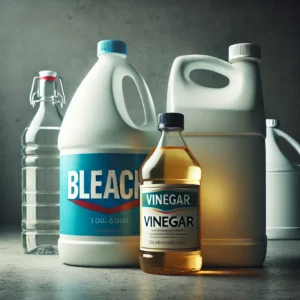
If you turn to large discount stores for bulk purchases, you’ve probably stocked up on cleaning supplies. Bleach remains effective for only about six months to a year, especially once it’s exposed to temperature swings. Vinegar, however, holds up far longer and can serve multiple purposes in cooking, cleaning, and basic disinfecting tasks.
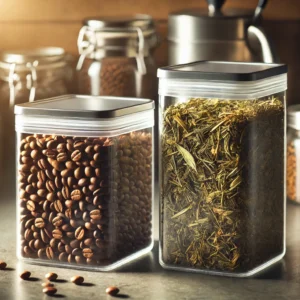
Coffee and tea can also lose quality over time. You may still brew them, but the flavor can grow dull. If you’re used to fresh, vibrant coffee, that dull brew will be a letdown. Vacuum-sealed coffee grounds last longer than an open bag, but even the best packaging can’t stop gradual staleness. Whole beans stored in airtight containers hold flavor better than ground coffee, so it might be worth grinding your own if you care about taste.
Simple Tips to Extend Freshness
You don’t have to live in a custom-built bunker to keep things stable. Start by choosing storage spots that stay dry, cool, and relatively dark. Attics, sheds, and garages often face wide temperature swings. If that’s your only option, try insulating a small section with sturdy containers. A few sealed plastic bins can protect your goods from dampness, pests, and dust.
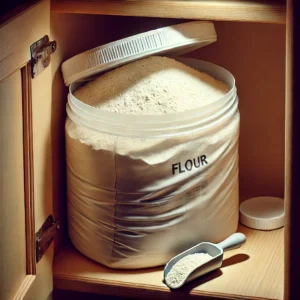
Moisture is your worst enemy for many products. Keeping items in sealed bags or jars can prevent mold and caking. Even if you store sugar in its original packaging, consider an extra layer of protection. That might mean placing the bag inside a thick plastic tub with a tight-fitting lid. If you’re storing flour or grains, you could freeze them briefly to kill any insect eggs before returning them to a cool, dark pantry.
Rotation matters too. Rather than buying huge amounts once a year, pick up smaller amounts steadily, and use them in the order you bought them. That approach ensures you’re always consuming items before they sit for too long. It also gives you a better sense of how fast you go through your supplies. If you realize you’re not using something, you can adjust your buying habits.
Dealing with Stored Goods in Emergencies
Picture a scenario where a hurricane hits, the power goes out, and you need to rely on stored items. This is the moment you find out if your containers really sealed out moisture, if your canned goods are still intact, and whether that old flour still smells fresh. If you’ve done your due diligence, you’ll have nutritious staples ready. If not, you could be dealing with spoiled food in a high-stress situation.
Related Top Tips for Staying Calm During a Crisis
It’s also good to think about what you’d do if water gets into your storage area. Floods are a common threat in many regions. Even minor water damage can ruin cardboard boxes and soak through labels, leaving you guessing about item details. Investing in waterproof bins might cost a bit upfront, but it pays off if you ever face a broken pipe or natural disaster. Keeping everything clearly labeled can save time when you’re busy checking supplies.
You might also face budget limits. Maybe you can’t afford a fancy vacuum sealer or high-end containers. That’s fine. Just be consistent with whatever you do choose. Rinsed-out glass jars can become an affordable way to hold dry goods. Duct tape and marker can form a quick label. The key is consistency and awareness of each product’s specific vulnerabilities.
What Goes Bad First
When you’re uncertain about an item, remember to trust your senses. If something smells off, has an odd color, or shows signs of mold, discard it. No amount of thrift is worth a bout of food poisoning. Keep an eye on oils, nuts, and other products that contain fats. They can go rancid more quickly than you might think, especially if stored in warm areas. Powdered milk can also turn stale in taste, though it might still be safe to consume. Smell and taste a small sample if you’re unsure, but stay cautious.
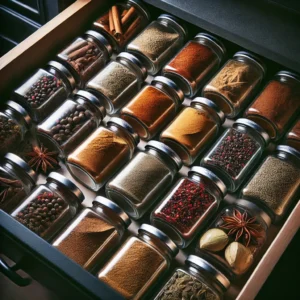
Spices and seasonings often lose their potency before they become unsafe. A jar of ground cumin sitting in a drawer for five years may not make you sick, but it won’t add much flavor. If you’re storing seasoning blends, think about buying whole spices and grinding them as needed. Whole black peppercorns keep their punch far longer than pre-ground pepper, for instance.
Household goods like batteries also degrade over time, especially in fluctuating temperatures. Cheap battery brands might leak, corroding your devices. Even rechargeable batteries can lose capacity if left unused for years. If you rely on flashlights, radios, or other battery-powered items, keep track of the manufacturing date. Replace older sets before you face a blackout and discover they’re dead.
When to Splurge vs Save
You don’t have to buy top-tier everything. Sometimes, generic or store-brand items are perfectly fine. But in certain cases, spending a bit more can extend shelf life or improve results. Quality containers might be worth the higher price, especially if you live in a humid environment. Stronger plastics or well-made glass jars can protect expensive ingredients from a stealthy invasion of moisture or pests.
Bulk buying can be tempting, but be realistic about what you actually use. A giant tub of protein powder could end up sitting in a corner for years, losing flavor and nutrients. If you’re storing for emergencies, focus on items you’d eat or use anyway. There’s no sense in stocking your basement with foods no one in your house enjoys. The best approach is to consider your regular diet and personal preferences, then gradually build a reserve around those.
You may also consider alternative forms of packaging. Dehydrated or freeze-dried foods often last longer than fresh or canned versions. They can be a bit pricey, though. If you’re able to dehydrate your own produce, that can be a budget-friendly compromise. Still, keep in mind that DIY methods require some learning curve and the right equipment. Research thoroughly if you’re going that route.
Practical Checks and Maintenance
You can avoid surprises by doing periodic checks on your inventory. Every few months, glance through your pantry or storage area. Look for swollen cans, broken seals, or items that have fallen behind shelves. Smell the area to detect any musty odor. If you find a problem, address it right away. It might be a single leaking can or a patch of mold that’s just starting. Catching these issues early can save a lot of trouble.
It’s also wise to keep a simple spreadsheet or notebook listing purchase dates for key items. You don’t need to micromanage every can, but tracking big categories like rice, beans, cooking oil, and flour helps you understand how fast you go through them. If you see something nearing its best-by date, plan a meal around it soon. This prevents waste and keeps your rotation moving.
When a real emergency strikes, you’ll be grateful that you know exactly where your supplies are and which ones are still good. Instead of rummaging around aimlessly, you can grab the items you need. That efficiency can mean everything when time is short.
Conclusion
Everyday products can be lifesavers if you store them wisely, or they can be major disappointments if you neglect them. If you’re serious about self-sufficiency, think of your storage area as a working pantry, not a static warehouse. Keep items you actually use, store them in conditions that protect their quality, and rotate them often. This mindset helps you avoid throwing money away on spoiled goods and ensures that what you have on hand is truly helpful.
The next time you see a sale on canned vegetables or consider buying a jumbo box of dish soap, ask yourself if you have the right setup to maintain those items long term. With a little planning, you can stretch every dollar and keep your household running smoothly, even when the unexpected happens. That peace of mind might be the biggest benefit of all.